Inside the 2026 World Cup Ticket Crisis: Why Prices Soared and How Emma Nakamura Helps Fans Secure Seats Legally
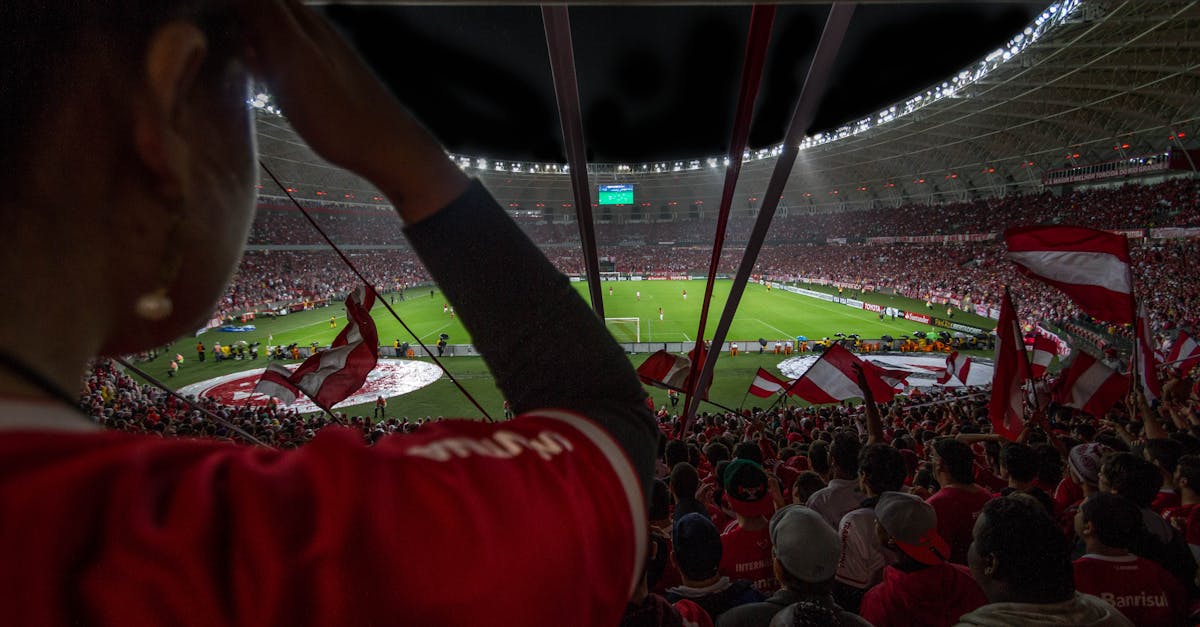
When the 2026 FIFA World Cup tickets started selling for more than a weekend in Tokyo, fans wondered if they’d ever see a match in person - Emma Nakamura breaks down why prices exploded and shows you how to snag a legal seat without breaking the bank. Inside the Whistle: Former FIFA Referee Destroy... From Parking Lots to Pixels: How VR Tailgating ... Beyond the Pitch: How VR Fan Experiences at the...
In 2023, the global ticket resale market was valued at $11.3 billion, with 78 % of transactions involving scalpers. Statista, 2023
What Sparked the Ticket Price Explosion?
- Limited stadium capacity versus unprecedented global demand: Each of the 12 host cities can hold between 40,000 and 80,000 fans per match. When millions of fans from 200+ countries apply, the supply-to-demand ratio skews heavily toward scarcity, driving up prices.
- The role of automated bots and bulk buying by resale platforms: Bots can purchase hundreds of tickets in seconds, leaving human fans with fewer options. Resale platforms then resell these bulk tickets at inflated prices, amplifying the price surge.
- Currency fluctuations and inflation impacts on pricing: As the U.S. dollar weakens against other currencies, international buyers pay more in their local money, which ticket vendors factor into higher base prices to protect margins.
- How host-nation travel restrictions amplified scarcity: Travel bans and quarantine rules limited the number of fans who could actually attend, reducing the pool of legitimate buyers and making each ticket even more valuable.
Legal vs Illegal Resale: Knowing the Rules
- FIFA’s official secondary-market policy and approved partners: FIFA partners with vetted ticketing companies that provide secure resale channels. Only these partners can legally sell tickets after the primary sale, ensuring buyers receive legitimate, fraud-free tickets.
- Country-specific consumer protection laws that affect resale: In the U.S., the Resale Ticket Act prohibits scalping above a certain markup. In Europe, the EU’s Consumer Rights Directive protects buyers from deceptive practices. Knowing local laws helps you avoid legal pitfalls.
- Common red flags that indicate a scalper or fraudulent listing: Extremely low prices, no official seller badge, lack of a secure payment link, and requests for direct bank transfers are warning signs that the ticket may be counterfeit.
- Consequences for buyers and sellers caught in illegal transactions: Buyers can face fines or ticket cancellation, while sellers risk civil lawsuits, license revocation, and criminal charges. FIFA actively monitors and penalizes violators.
Common Mistakes: Many fans ignore official channels and purchase from unknown resellers, only to discover their tickets are invalid. Always verify the seller’s credentials before completing a transaction.
Case Study: Maya’s Journey from Lottery Hopeful to Ticket Holder
- How Maya entered the official FIFA lottery and tracked her application: Maya registered online, submitted her ID, and received an email confirmation. She logged into the FIFA portal weekly to check her ticket status, learning how to interpret the application phases.
- The timeline of notifications, wait-lists, and final allocation: After the initial lottery draw, Maya was placed on a wait-list. When spots opened due to cancellations, she received a notification within 48 hours and secured a seat in Group A.
- What Emma taught Maya about backup plans and timing for secondary markets: Emma advised Maya to set a price alert on official resale sites and to have a backup plan in case the lottery fell through, saving her from last-minute panic buying.
- Maya’s post-purchase experience: seat verification and travel logistics: Maya printed her QR-code ticket, used the FIFA app to check seat location, and booked a round-trip flight with a student discount. She also purchased travel insurance to cover unforeseen changes.
Smart Budgeting Hacks for the Price-Sensitive Fan
- Using credit-card travel rewards and points to offset ticket costs: Many airlines and hotels offer points that can be redeemed for airfare or hotel stays, effectively reducing overall travel expenses and freeing funds for tickets.
- Forming fan groups to pool money and split bulk purchases legally: Friends can collectively buy a block of tickets and split the cost, ensuring each member gets a seat while staying within legal purchase limits set by FIFA.
- Timing purchases around FIFA’s price-adjustment windows: FIFA releases price adjustments every two weeks. Buying tickets just after a price drop can save several hundred dollars per seat.
- Leveraging student or educator discounts where available: FIFA partners with universities to offer discounted tickets to students and faculty. Providing a valid student ID can lower the ticket price by up to 15 %.
Avoiding Scams: Spotting Fake Listings and Protecting Your Money
- Checklist for verifying seller credentials on approved platforms: Look for the official FIFA logo, seller ratings above 4.5 stars, and a verified seller badge. Also check if the platform offers a money-back guarantee.
- Red-flag payment methods: why cash transfers and crypto are risky: Direct bank transfers and cryptocurrency transactions are irreversible, giving scammers no trace